Business Partners and the Legal Relationship Between Partners In business, commercial relationships and partnerships are fundamental to economic activity. When individuals or companies decide to cooperate, they typically define their shared rights and responsibilities through a partnership contract or written agreement. If managed correctly, these relationships can be highly profitable and effective. If disputes arise,...Read More
Legal Strategies for Resolving Commercial Disputes In commercial relationships, disputes are common due to the complexity of domestic and international transactions, delayed deliveries, incorrect payments, or contractual misunderstandings. If these disputes are not managed properly, they can lead to financial loss, missed business opportunities, and damage to commercial reputation. Within the legal framework of the...Read More
The Legal Process of Patent Registration Patent registration is one of the key mechanisms in the intellectual property system. It enables an inventor to exploit an innovation on an exclusive basis. From a legal perspective, an invention is generally understood as a new technical solution presented to solve a specific problem in an industrial field....Read More
What Is the CEO’s Role in Civil Claims Against a Company? In civil claims brought against a company, the Chief Executive Officer is generally the company’s primary representative during the dispute resolution process. Under Iranian commercial law principles, the CEO is expected to protect the company’s rights and interests in dealings with third parties and...Read More
What Is the Structure of a Limited Liability Company? A limited liability company is one of the most common forms of legal entity under Iranian commercial law. Pursuant to Article 94 of the Iranian Commercial Code, this type of company is formed for commercial purposes by two or more persons, and its capital is not...Read More
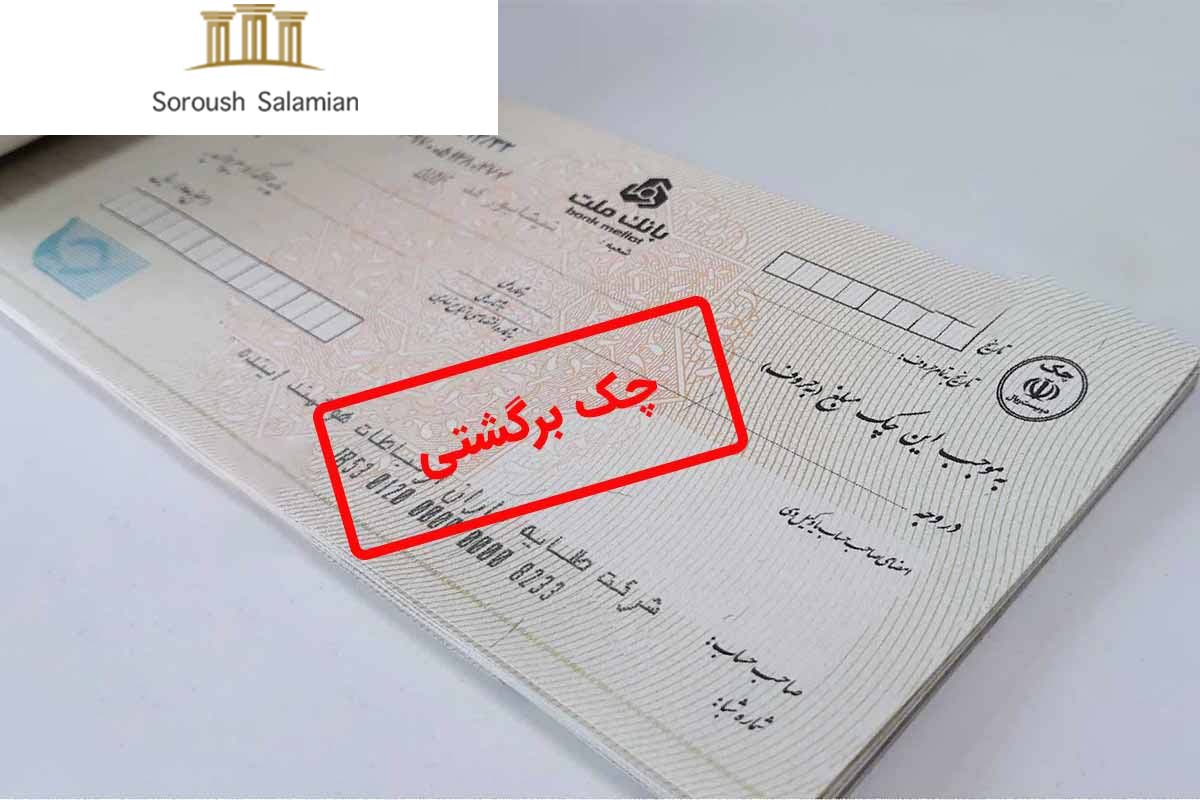
How to Recover a Dishonored Check From a Business Partner A check is one of the most common payment instruments used in commercial relationships between business partners. In many partnership arrangements, checks are used for account settlement, as security, or to cover financial obligations. In practice, however, one of the most frequent disputes between commercial...Read More
What Is International Commercial Arbitration? International commercial arbitration is a dispute-resolution mechanism used in cross-border commercial contracts, in which the parties agree to refer their dispute to arbitration rather than to domestic courts. Unlike formal judicial proceedings, arbitration is rooted in party autonomy and operates within a framework shaped by contractual agreement, applicable national laws,...Read More
Claims Arising From a Forged Bill of Lading A bill of lading is one of the most important documents in maritime transport. It plays a vital role in proving title to the goods, recording the carrier’s undertakings, and protecting the consignee’s rights. In international trade, it is not merely a receipt. A maritime bill of...Read More
What Is the Difference Between a Civil Partnership and a Commercial Company? A civil partnership and a commercial company are two principal forms of joint activity recognized in Iranian law, and each has a distinct legal purpose and structure. A civil partnership generally refers to an arrangement in which partners combine capital, assets, or services...Read More
The Legal Nature of Termination of an International Transportation Contract Termination of an international transportation contract is a significant institution in contract law and generally refers to the unilateral dissolution of a contract by one party on lawful or contractual grounds. Under Iranian law, the default principle is that contracts are binding. Once a valid...Read More