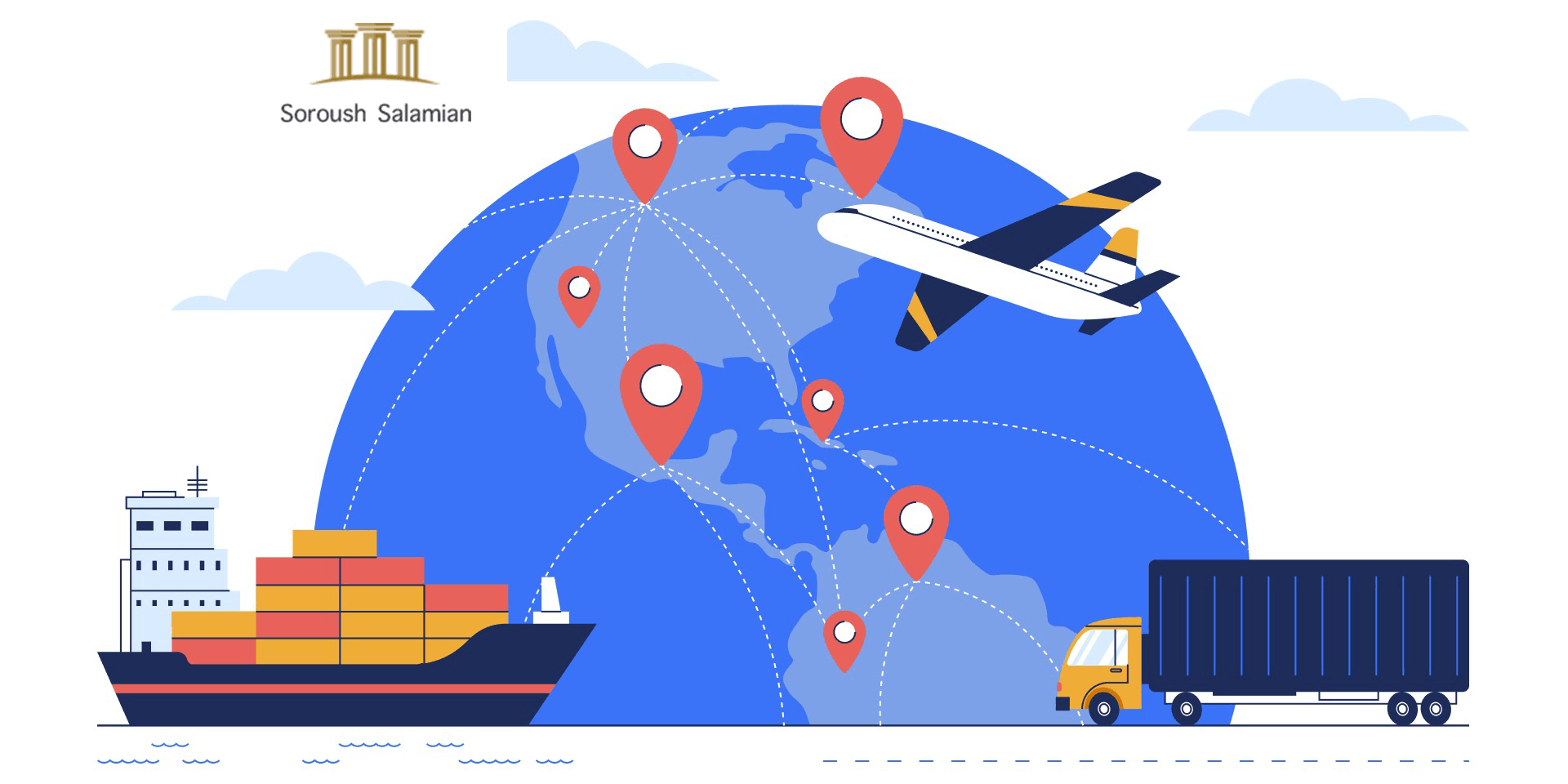
What Are the Legal Requirements for Cross-Border Transportation? Cross-border transportation is a significant component of international trade, and its proper execution requires compliance with a range of laws, customs regulations, transportation standards, and official documentation requirements. Any shipment crossing an international border must be transported in accordance with the laws of the country of origin,...Read More
What Is a Shipowner’s Liability for Personal Injuries? A shipowner’s liability for personal injuries refers to the legal obligations of a vessel owner in connection with injuries sustained by crew members, passengers, port workers, or other individuals during the operation of a vessel. The nature and extent of liability depend on the circumstances of the...Read More
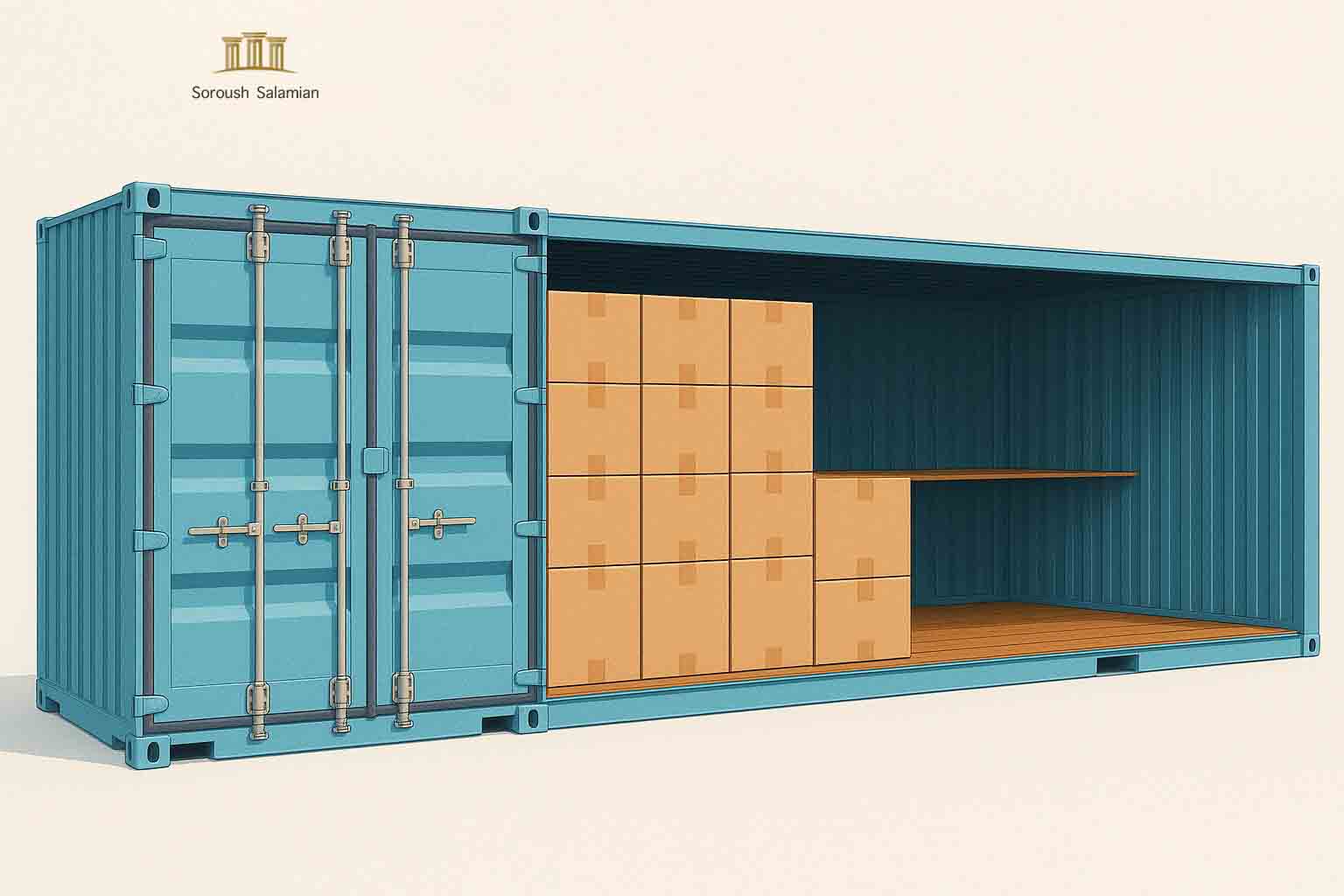
What Are the Legal Liabilities Associated with Container Damage? Container damage is an important issue in international transportation and may give rise to disputes among cargo owners, container owners, carriers, freight forwarders, and other parties involved in the shipment. When a container is damaged during transit, it is first necessary to determine at what stage...Read More
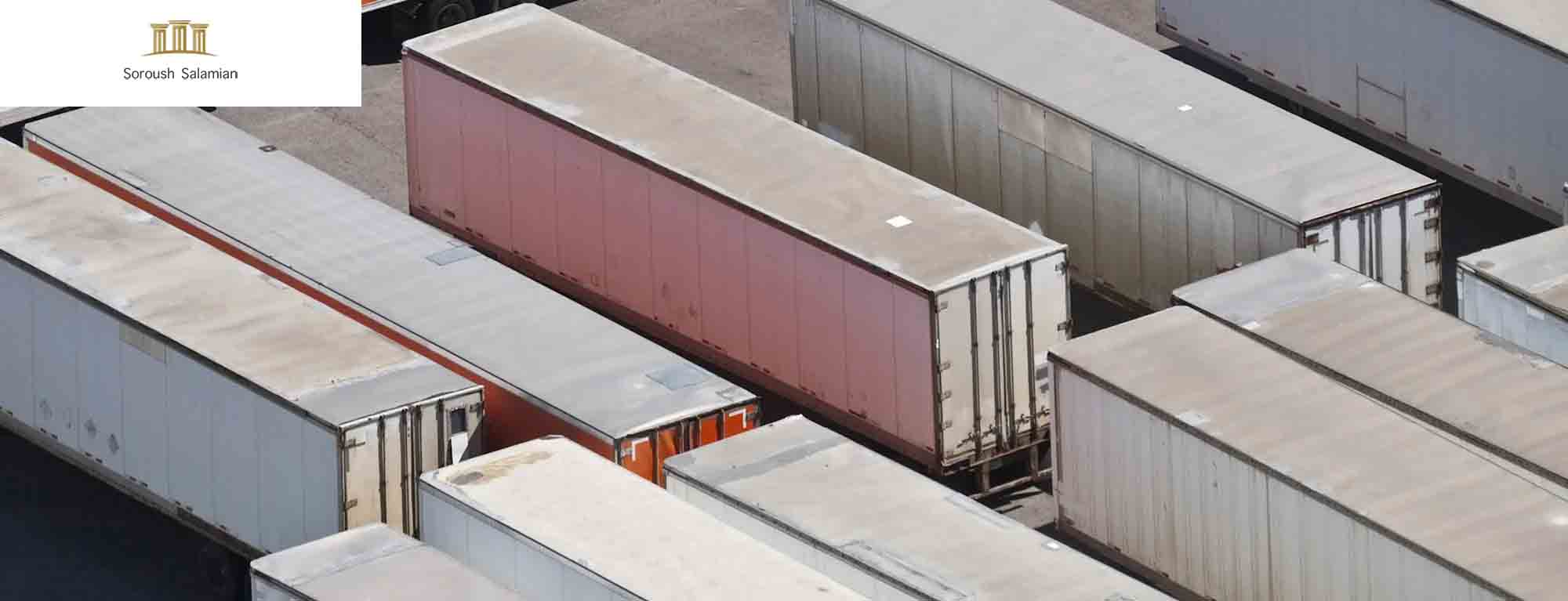
Introduction to the CMR Convention and Its Importance in International Transportation The CMR Convention is one of the most important international legal instruments governing the carriage of goods by road. It establishes a clear legal framework for the transportation of goods between different countries. The name CMR is derived from the French title, Convention Relative...Read More
What Is Freight Forwarding Dispute Resolution and Why Is It Important? Freight forwarding dispute resolution refers to the measures taken to manage and resolve disputes among cargo owners, freight forwarding companies, carriers, customs authorities, and other parties involved in the transportation process. In international transactions, the involvement of multiple parties, differences between national legal systems,...Read More
Initiating Legal Action in Cases of Cargo Delay Cargo delay may become legally actionable when the carrier, transportation company, or other responsible party delivers the shipment after the agreed delivery time or beyond the reasonable period applicable to the transportation arrangement. Determining legal liability, however, depends on the terms of the contract, the mode of...Read More
What Is the Drafting of Secure Bills of Lading and Why Is It Important? Drafting secure bills of lading is one of the most important aspects of document management in the transportation of goods. A bill of lading is not merely a document recording shipment details. It may also play an important role in evidencing...Read More
Liability of Transportation Companies for Less-than-Container Load (LCL) Shipments In international transportation, when a shipper does not have enough cargo to fill an entire container, Less-than-Container Load, or LCL, transportation is used. Under this method, goods belonging to several different cargo owners are consolidated in a single container, and transportation costs are shared among them....Read More
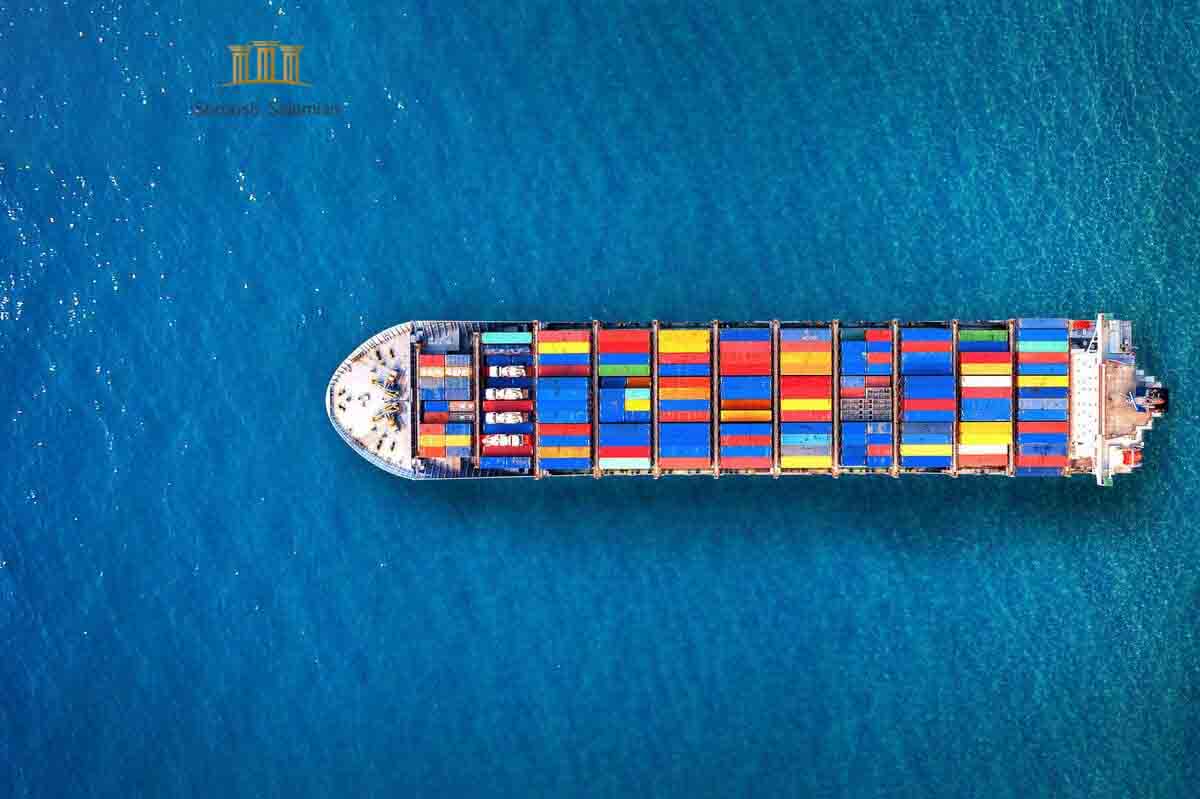
Complete Guide to the Legal Grounds and Procedure for Ship Arrest The legal procedure for ship arrest is one of the most important mechanisms available under maritime law for protecting the rights of creditors and other interested parties. In many maritime disputes, where a creditor lacks sufficient assurance that a claim will be satisfied or...Read More
What Are the Legal Actions Regarding Stolen Cargo and When Should They Begin? Cargo theft is one of the most significant legal challenges in the transportation industry. It can cause substantial financial losses for cargo owners, transportation companies, insurers, and other parties to the transportation contract. For this reason, legal action regarding stolen cargo should...Read More