The Concept of Ship Chartering and Its Legal Position in Maritime Transportation Ship chartering is one of the most important contractual arrangements in maritime transportation. Under a charter agreement, the shipowner or its authorized representative makes all or part of a vessel’s capacity available to another party for a specified period or a particular voyage....Read More
The Importance of Transportation Inspections in Determining Responsibilities Across the Logistics Chain Transportation inspections are among the most important mechanisms for quality control, risk management, and protection of the parties’ rights during the movement of goods. Various parties may participate in a transportation operation, including the shipper, consignee, transportation company, loading operator, insurance company, and,...Read More
The Importance of Understanding Legal Challenges in Cross-Border Transportation Cross-border transportation is a key component of international trade, with large volumes of goods transported every day by road, sea, air, and rail between countries. Despite the many advantages of cross-border transportation, differences in national laws, regulations, and legal systems can create significant challenges for cargo...Read More
What Are the Fundamentals of International Trade and Transportation Law? International trade and transportation law is one of the most important branches of commercial law. It governs legal relationships among merchants, transportation companies, buyers, sellers, insurance companies, banks, and other parties involved in cross-border trade. Whenever goods are transported from one country to another, a...Read More
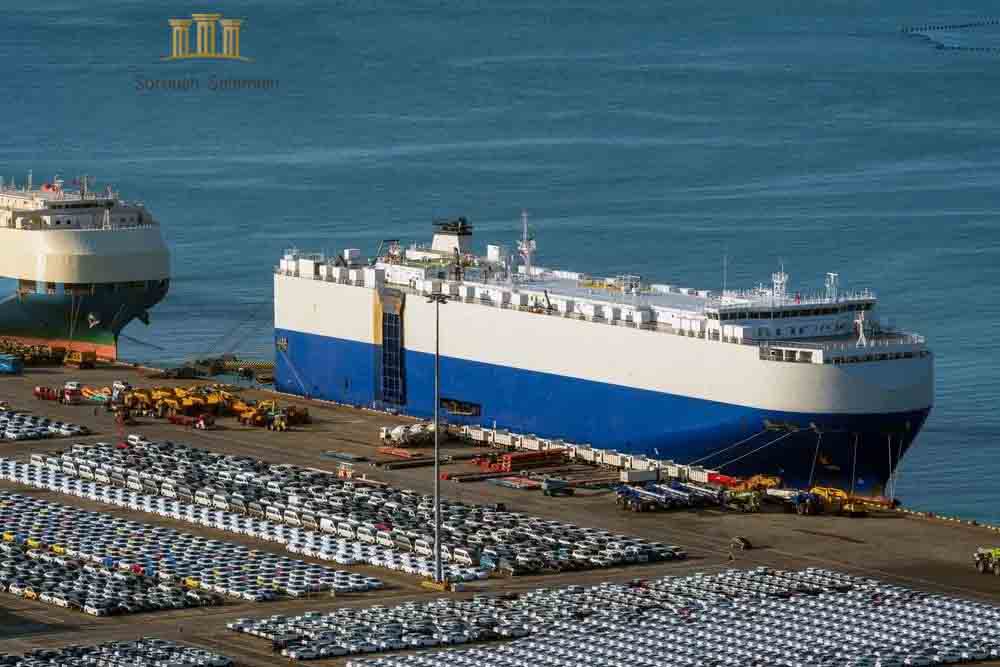
What Is Liability in Roll-On/Roll-Off (RoRo) Transportation? Roll-on/Roll-off transportation, commonly referred to as RoRo, is one of the most widely used methods for transporting automobiles, trucks, construction machinery, industrial equipment, and other wheeled vehicles by sea. Under this method, a vehicle is driven onto the vessel under its own power or moved onto the vessel...Read More
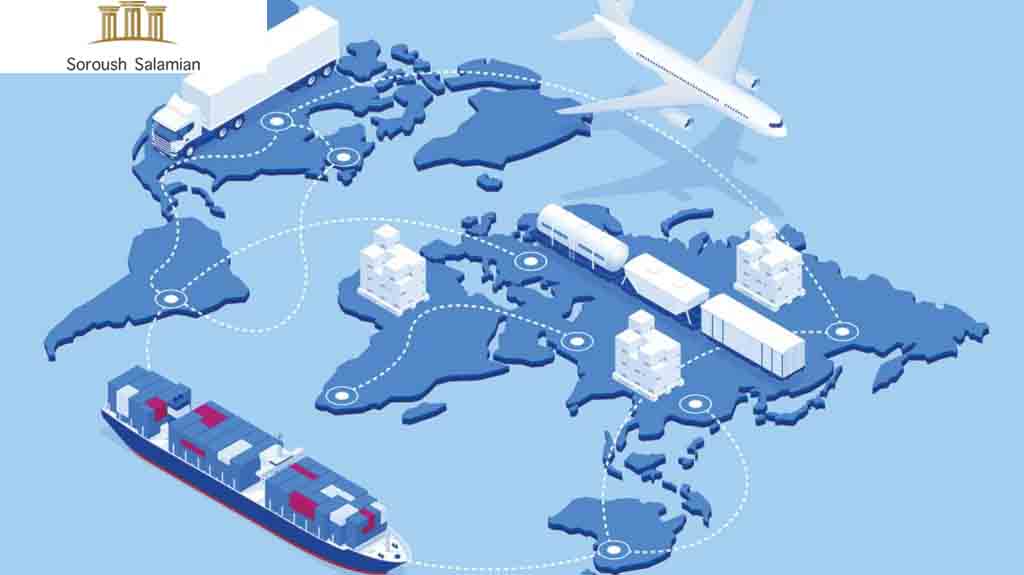
What Is Liability in Multimodal Transportation and Why Is It Important? Multimodal transportation refers to the movement of goods using two or more different modes of transport, such as road, rail, sea, or air transportation, under a single contract. In this type of transportation, determining the responsibilities of the various parties is particularly important because...Read More
A Comprehensive Legal Review of Warehousing Contracts A warehousing contract is one of the most important commercial agreements within the supply chain and the transportation of goods. This type of contract is entered into when the owner of goods entrusts the storage, protection, or inventory management of those goods to a warehouse operator or warehousing...Read More
What Are Transportation Disputes in Cross-Border Transactions and Why Are They Important? Transportation disputes in cross-border transactions are legal disputes that arise during the transportation of goods between two or more countries. These disputes may arise among sellers, buyers, transportation companies, freight forwarders, insurance companies, or other parties involved in the transportation chain. As international...Read More
What Are the Obligations of Transportation Companies in Major Contracts? Major transportation contracts are commonly entered into between transportation companies, manufacturers, exporters, importers, or large commercial enterprises and often involve significant financial value. Under these agreements, the transportation company is not merely responsible for moving goods from one location to another. It also assumes a...Read More
What Is Transportation Law for Oil and Gas and Why Is It Important? Transportation law for oil and gas is a specialized area of energy law that addresses the laws, regulations, contracts, liabilities, and legal requirements governing the transportation of crude oil, natural gas, petroleum products, and petrochemical products. This field plays an important role...Read More