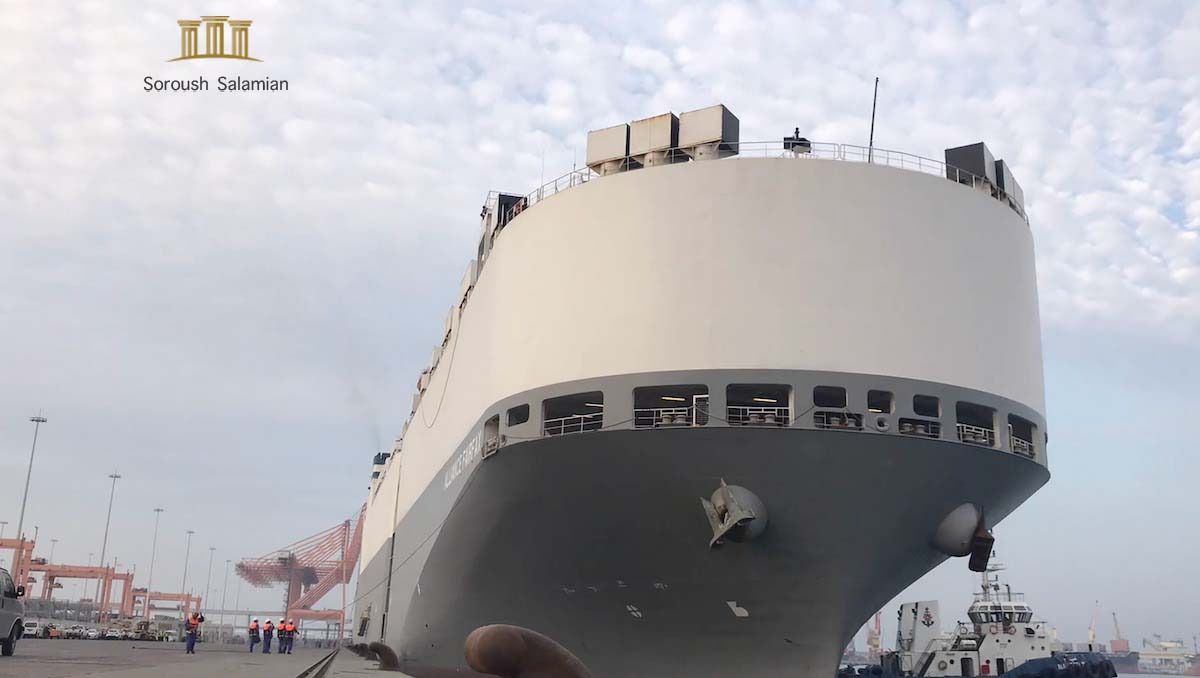
The Legal Significance of Vessel Delays at Port A vessel delay at port occurs when a ship is unable to complete loading or unloading operations within the scheduled timeframe. Such delays may last from a few hours to several days or even weeks. From a legal perspective, this is not merely an operational inconvenience. A...Read More
The General Concept of Liability in Container Transport The liability of a shipping company in container transport refers to its legal and contractual obligation to safeguard cargo from the moment it is received until it is delivered to the consignee. In practice, this responsibility covers a defined period: acceptance of the container, loading onto the...Read More
What Are Legal Risks in International Logistics and Why Should They Be Taken Seriously? International logistics involves far more than simply transporting goods from one country to another. Every shipment moves through a complex framework of domestic laws, international regulations, customs requirements, transport contracts, insurance policies, inspection standards, and commercial obligations. Even a minor error...Read More
What Are the Legal Responsibilities of Transport Agents and Why Do They Matter? A transport agent is an individual or company that manages the planning, coordination, and follow‑up of cargo transportation on behalf of the cargo owner or consignee. The agent’s role lies at the intersection of the cargo owner’s commercial interests and carriers’ operational...Read More
The Importance of Legal Dispute Resolution in the Logistics Chain The legal resolution of transport disputes is one of the most critical issues in the logistics and freight industry. The transportation process typically involves multiple parties-cargo owners, carriers, drivers, insurers, and consignees-and any damage, delay, or failure to perform contractual obligations can lead to disputes....Read More
The Concept of Issues and Responsibilities in Maritime Security Maritime security is one of the fundamental pillars of international trade. It refers to the range of measures taken to protect vessels, cargo, crew members, and maritime transport routes. More than 80% of global trade is carried by sea, underscoring how disruptions in maritime security can...Read More
What Are the Legal Steps to Take After Cargo Theft? Cargo theft is a critical incident that causes immediate financial loss and can trigger complex legal consequences. Whether the theft occurred domestically or during international transit, the mode of transport involved, and the existence (or absence) of insurance coverage will all shape the legal strategy....Read More
What Is the Legal Role of Captains in Maritime Transport? The ship’s captain is the highest executive authority on board. However, their responsibilities extend far beyond the technical navigation of the vessel. In many legal systems, the captain is recognized as the legal representative of the shipowner or shipping company, vested with clearly defined powers...Read More
The Importance of Transport Documentation and Legal Compliance Transport documentation and compliance with legal requirements are among the fundamental pillars of the supply chain and logistics industry. Every shipment moving from one point to another must be supported by a set of official documents that clearly define the route, the nature of the goods, the...Read More
Understanding Liability for Damage During Loading and Unloading in Transportation Liability for damage during loading and unloading refers to the set of legal and operational responsibilities that determine who is accountable if cargo is damaged during these two critical stages of transportation. This issue is highly significant in both domestic and international transport, as a...Read More